
Sometimes the photograph you end up with isn’t the photograph you thought you’d taken.
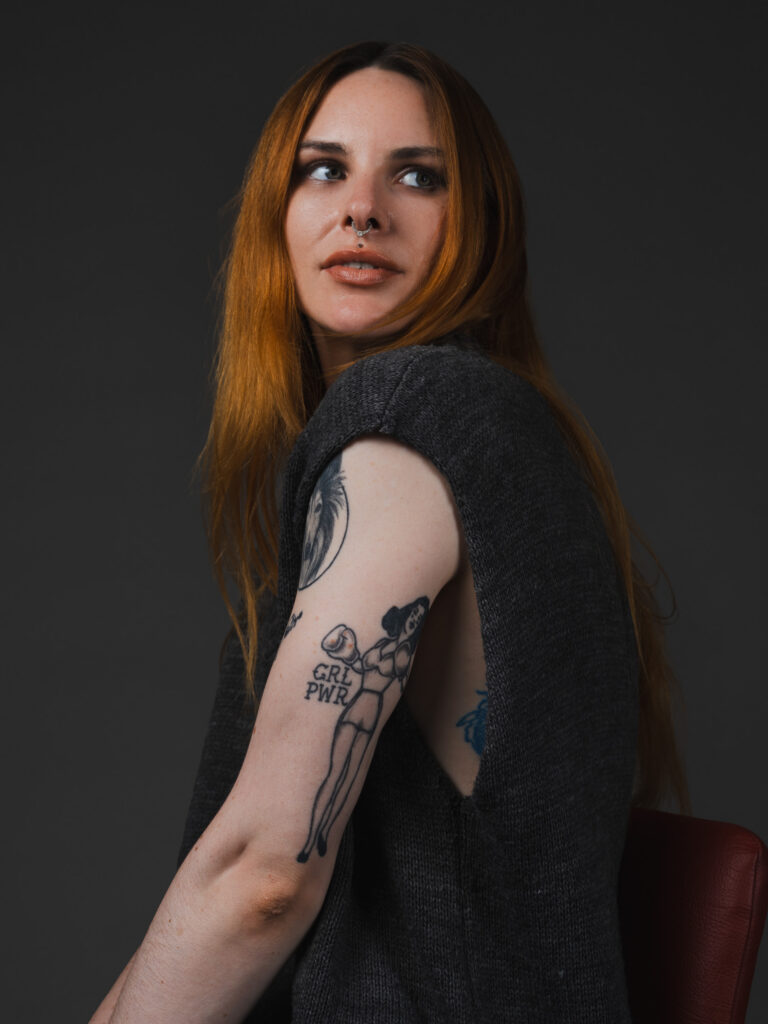
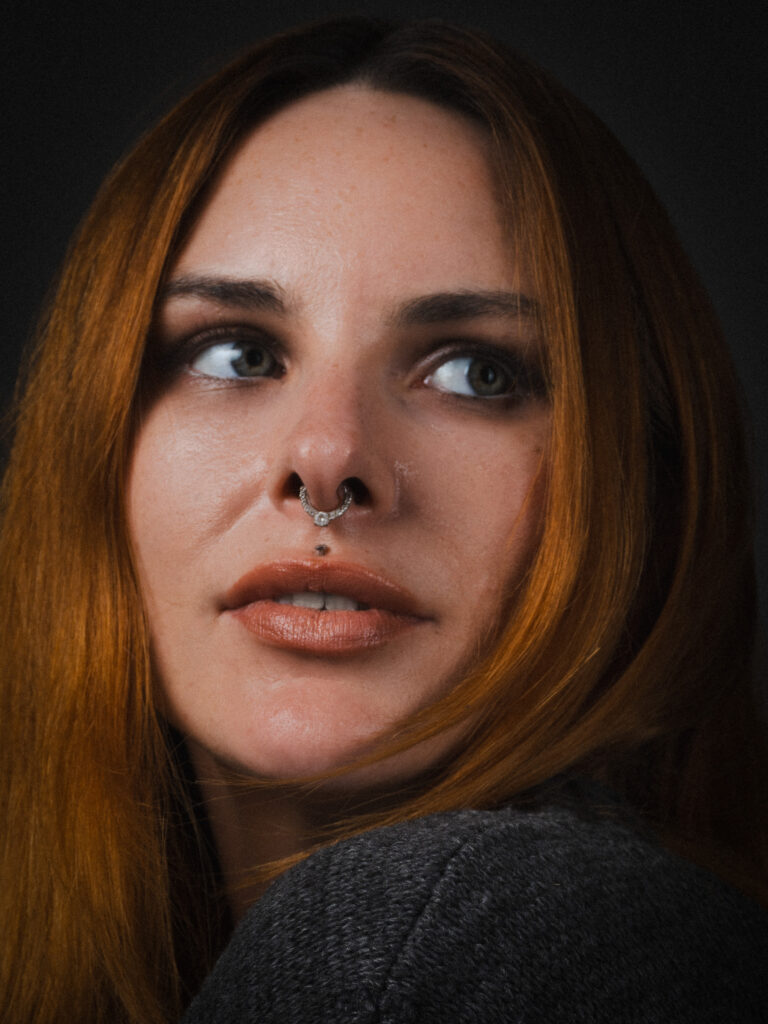
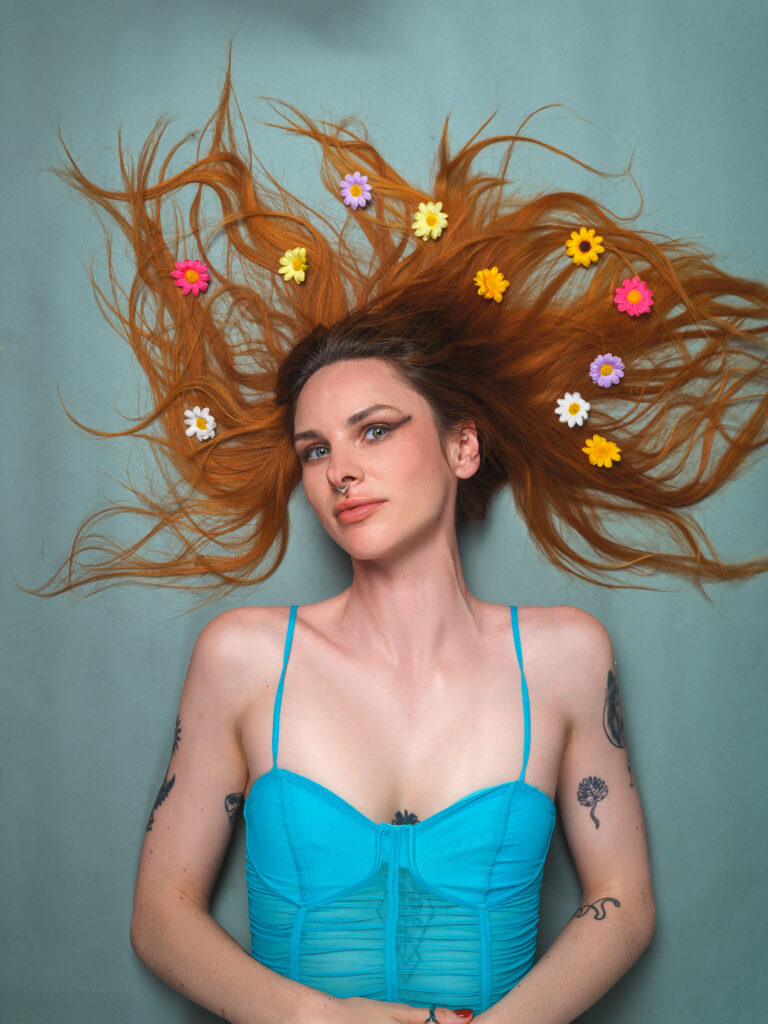
I was editing images from a recent shoot with Áine when my wife Sinéad looked over and suggested I try a much tighter crop on one of the portraits.
So I did.
And it became a completely different photograph.
The original gives you information. You see Áine’s pose, her tattoos, her clothes and something of the studio portrait we’ve created.
The crop takes almost all of that away.
Instead, there’s her face, the sweep of red hair and, most importantly, those eyes looking somewhere beyond the edge of the frame.
Suddenly there’s a question.
What is she looking at?
There’s no answer in the photograph. And I think that’s why I prefer it.
The wider image describes a moment. The crop suggests something is happening outside it.
Finding the story
Áine isn’t looking at the camera, so there’s no direct relationship between subject and viewer. Her attention is elsewhere, and removing almost everything that provides context exaggerates that feeling.
It creates a little mystery and leaves us to fill in what we can’t see.
Of course, I know the rather less mysterious reality.
We were standing in front of a roll of grey paper.
Nine years later
I’d first photographed Áine in 2017. She had an amazing, distinctive look and an easy confidence in front of the camera, but what I remembered just as much was her wonderfully off-the-wall sense of humour — something I share and really appreciate.
Nine years later, thankfully, the humour is still there.
I regularly shoot with my friend and fellow photographer Karl, and we’d talked several times about inviting Áine along. I was delighted when we finally arranged it.
We spent a couple of hours trying different ideas and styles. This particular image was made with a Fujifilm GFX100S II, a simple softbox and reflector, against a plain grey paper background.
Nothing elaborate.
The interesting part happened afterwards.
Less, not more
The final edit was equally simple: a little warmth, some grain and the crop.
Once cropped, there was something about the colour, grain, hair and close framing that immediately reminded me of a 1970s magazine photograph. Not a recreation of any particular image, just that slightly imperfect, film-esque quality.
Which is slightly ironic.
It was photographed on a 100-megapixel digital camera capable of recording an extraordinary amount of detail — and one of the most important creative decisions I made was to throw a sizeable amount of that detail away.
But pixels aren’t the photograph.
The photograph I didn’t take
We often think of cropping as corrective.
A distracting edge. A slightly loose composition. Something we didn’t quite get right when we pressed the shutter.
This wasn’t that.
I still like the original. If my wife hadn’t suggested the crop, I’d probably have finished the edit, been perfectly happy with it and moved on.
That’s what I find interesting about putting the two photographs beside each other.
Neither is wrong. They simply do different things.
One shows Áine.
The other makes the viewer wonder about her.
And I prefer the second.
We’re often encouraged as photographers to get everything right in camera, and there’s good reason for that. But perhaps we shouldn’t become so attached to the frame we chose when we pressed the shutter that we stop looking at what else might be there.
Sometimes editing isn’t about fixing the photograph you took.
Sometimes it’s about discovering the photograph inside it.
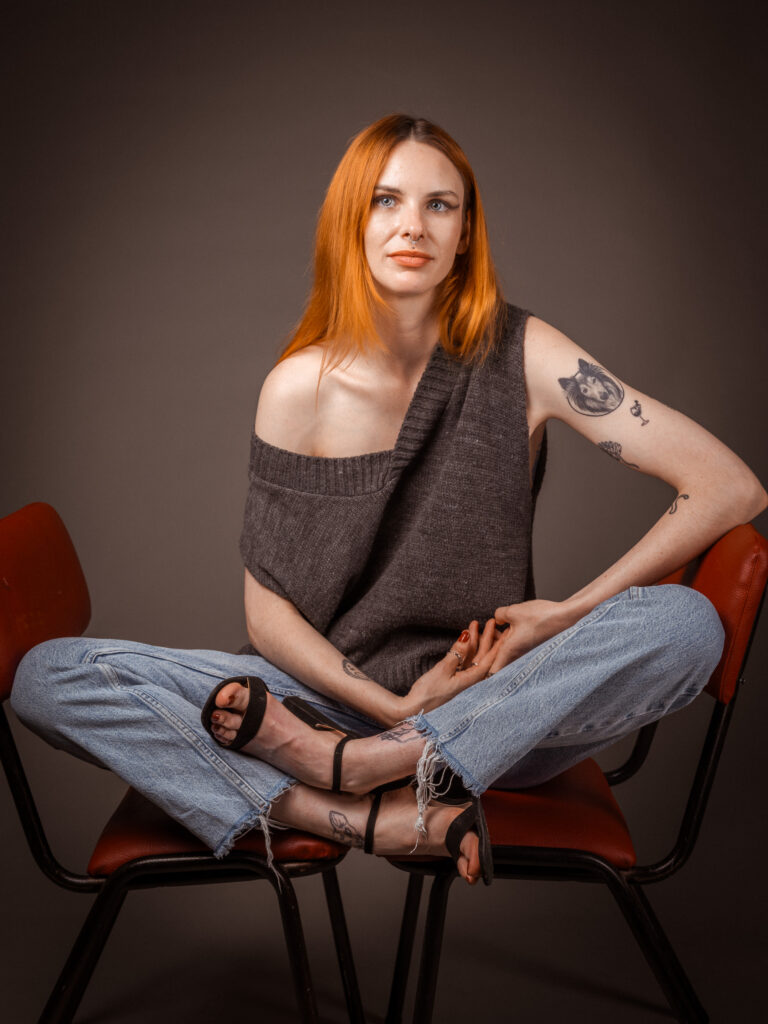
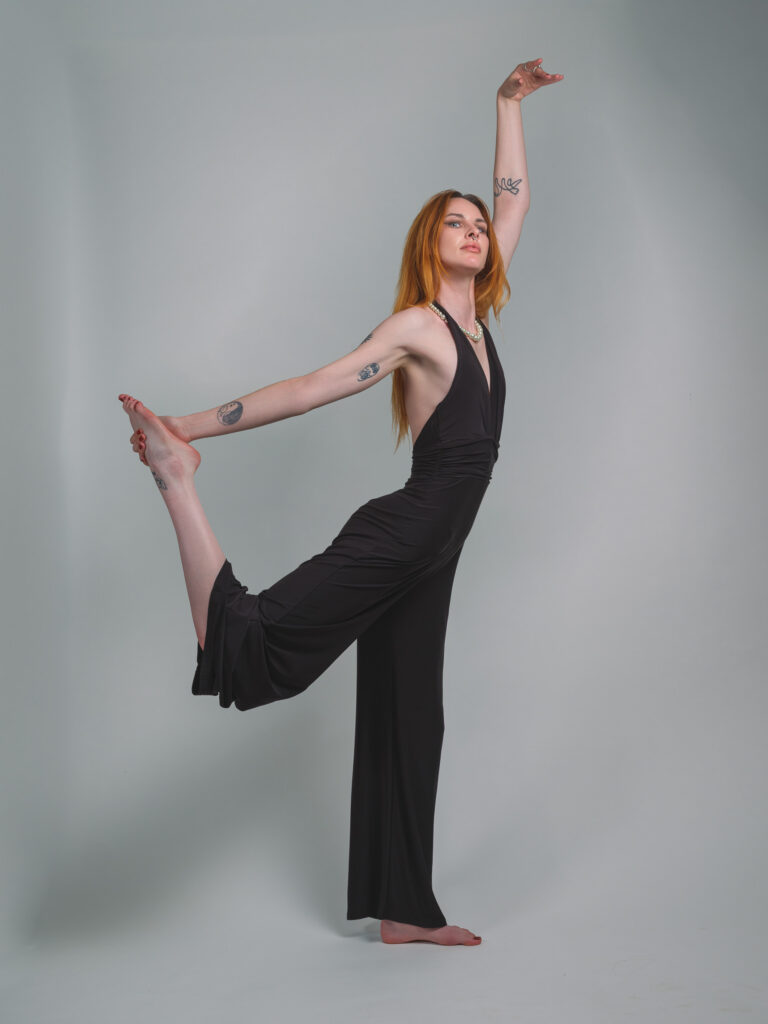
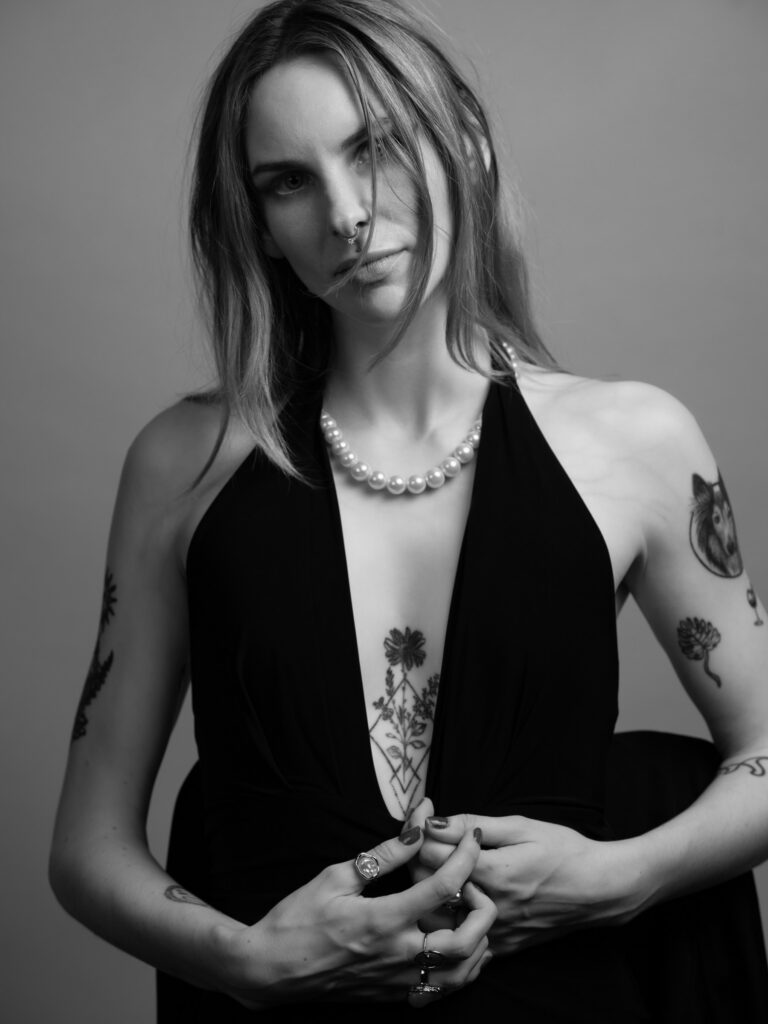
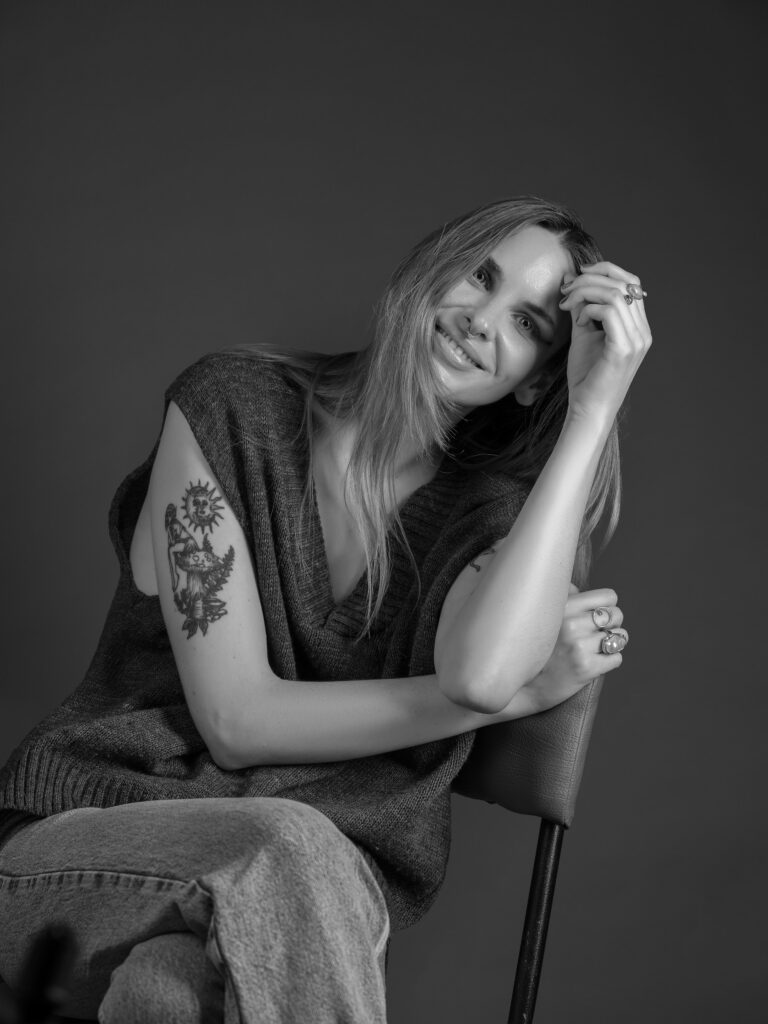
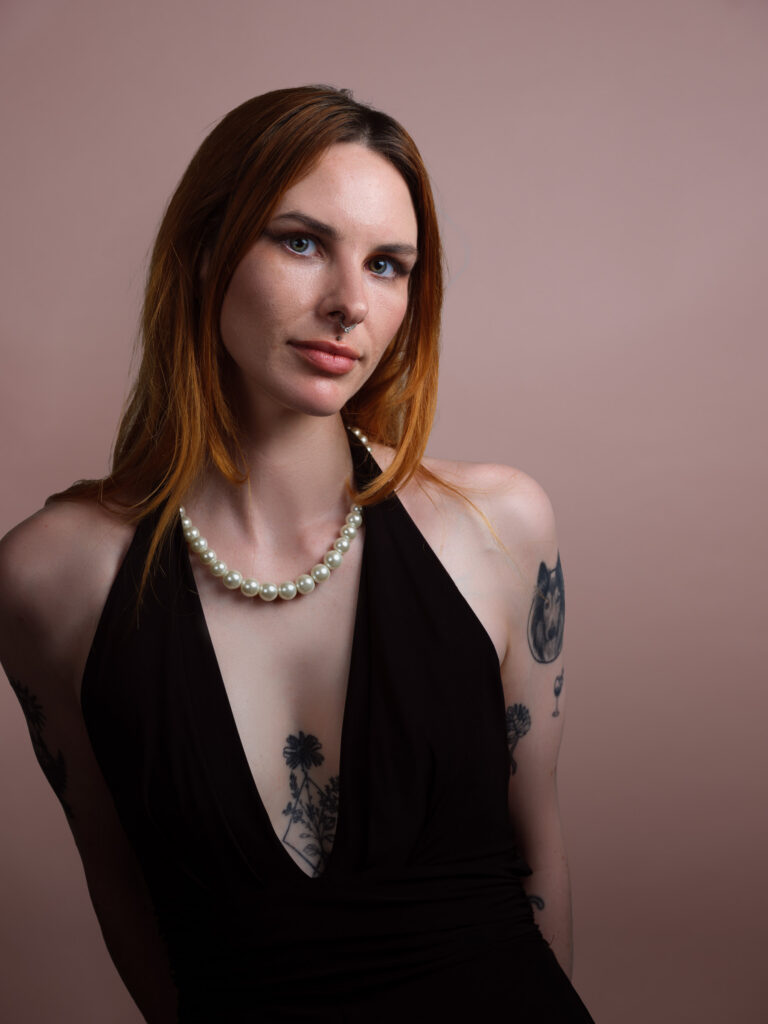
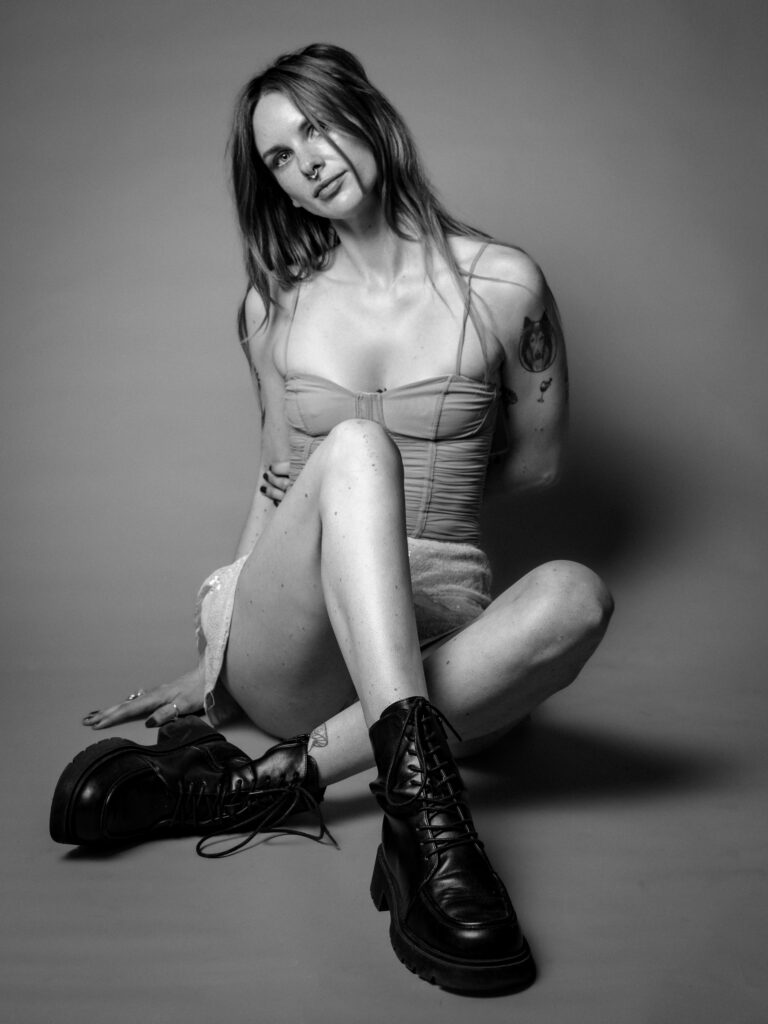
(Some other shots from the session. Áine, August 2026)